Choosing Plants That Will Not Harm Pets
Landscaping, no matter the scope, requires a bit of foresight and previous knowledge. Uncertainty is sure to breed failure, so therefore you should take the ideas in this piece to heart in order to succeed with your landscape endeavors.Use local plants for your yard. Local plants are simpler to take care of since they are used to the soil. This makes them easier to care for than imported plants. You could find information on plants that are local to the place you live by going to a local gardening store.

Consider a watering system that drips instead of flows water to your plants. This is because irrigation systems like these are easier to install and can leave the plants fed with continuous water. This is also a better way to efficiently water your plants effectively.
Choose all of your plants wisely; this can really change how successful your landscaping project becomes. Obviously, you wouldn't choose plants that prefer shade if you are landscaping a sunny area. Don't plant trees where there's not room for growth. When you decide on an area to plant a plant, make sure it can thrive there.
Landscaping goes well beyond simply planting trees and grasses. To give a professional look to your yard, look into using iron, wood or cement structures. Pergolas, decks, birdbaths and archways create attractive and complex looks with beauty and visual interest. You can find many of these items are priced to fit any budget.
Consult a professional before starting any major landscaping project. While it won't be necessary to actually hire them to work on your yard, it couldn't hurt to get a short consultation. Especially if you don't have experience in landscaping, this step is vital.
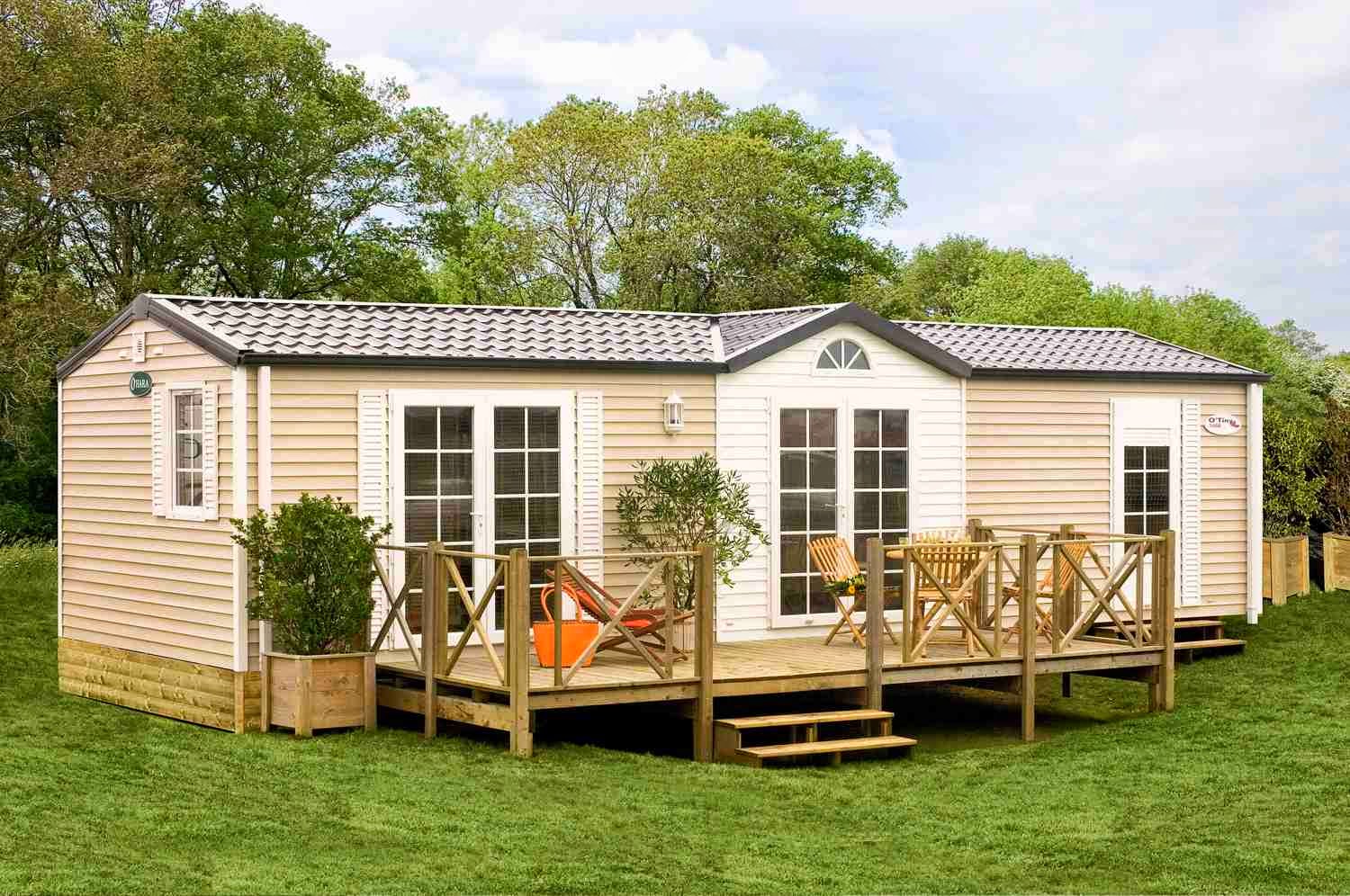
Consider the structures that are already in place before modifying your landscape. Be sure to incorporate structures such as gutters, sprinklers, and air conditioners into your landscaping plan and sketches. Take the time to call and have the county mark out any underground lines and cables.
Don't focus on spending as little money as possible. Remember that if you want good, quality supplies, a little extra money spent may help your project to look good and last much longer. If you need help or advice, you may want to spend a little extra and choose a specialty shop where you can ask questions and get guarantees.
Plan your landscape so it looks nice year round. Choose a variety of plants that will provide blossoms in each season of the year. Remember to add some evergreens to help your yard maintain a festive appearance throughout the winter. Your year-round thinking will be well facilitated by researching the different plants.
Peat moss is a plant's best friend when it comes to survivability. It provides them with nutrients which the soil typically lacks on its own. In addition to that, peat moss is also very attractive to look at.
If you are landscaping by yourself, take the time to estimate costs. List out each material, plant and even labor costs before you begin. Then decide where you will buy your materials from. Note that prices can vary greatly, so be sure to check out a few options in your area. Try to look for the lowest price available on good quality materials.
Evergreens and other foliage can help your garden remain beautiful year-round. Since most plants are only in bloom during certain seasons, your yard may seem dull or dead in the off-season if you don't use foliage plants. Use foliage plants or evergreens to fill in your yard so it stays green.
Use unique textures for leaves such as variegated ones when doing landscaping. The contrast between shape and texture when mixed together can add beauty and interest to your design. Select their locations with care to assure maximum appeal.
Think about more than just the look of your garden when planting. Certain trees' root systems can damage your underground pipes. In addition, putting plants in some areas can affect the line of site for traffic or your driveway, creating a safety hazard. Have a well thought out plan before you add some plants or trees to your landscaping.
Plan out your yard before making a single purchase. Try creating a rough sketch of your landscaping idea so that you can figure out precisely what materials you need. If you buy too many things on impulse, you could easily exceed your budget and also waste plants and materials that you may not end up using.
If you are going to use any large plants in your design, keep in mind that they will cast a shadow. You can use these plants to create natural shade near your house or to improve the environment for smaller plants that thrive in shady areas. Don't put smaller plants in the large plants' shadows.
Landscaping is similar to renovating rooms in your house. What you learn can really go a long way. Take in as much information as possible and keep it in mind so that as you devise a plan, your landscaping will turn out the right way.